
What Is Kennel Cough in Dogs?
Kennel cough, in simple terms, is a contagious respiratory infection that affects a dog’s upper airways, leading to inflammation of the trachea (windpipe) and bronchi. It’s most commonly caused by a combination of viruses and bacteria—especially Bordetella bronchiseptica. As the airways become irritated and inflamed, dogs develop a persistent, dry, hacking cough, often described as sounding like something is stuck in their throat. While many cases are mild, the infection can worsen or lead to complications if left untreated, particularly in young, senior, or immunocompromised dogs.
Types
Kennel cough can have different forms depending on the cause and severity:
Type
Bacterial (Bordetella): The most common form, caused by Bordetella bronchiseptica, leading to a dry, hacking cough.
Viral: Triggered by viruses such as canine parainfluenza or adenovirus, often causing milder but highly contagious symptoms.
Mixed Infection: A combination of bacterial and viral pathogens, often resulting in more severe or prolonged illness.
Mild Kennel Cough: Dogs remain active with a persistent cough but otherwise feel well; usually resolves on its own.
Severe Kennel Cough: Includes lethargy, fever, loss of appetite, and risk of complications like pneumonia.
Chronic or Complicated: Occurs in puppies, senior dogs, or those with weak immune systems, symptoms last longer and may require intensive treatment.
Predisposed Dog Breeds for Kennel Cough
Kennel cough can affect dogs of any age or breed, but some are more at risk due to lifestyle and environment. Dogs that frequently interact with others, such as those in kennels, shelters, dog parks, or daycare, are especially vulnerable due to the highly contagious nature of the infection.
Causes
Bacterial infection: Most commonly Bordetella bronchiseptica, a primary cause of kennel cough.
Viral infections: Such as canine parainfluenza virus and canine adenovirus, which weaken the respiratory system.
Close contact: Exposure in kennels, dog parks, grooming facilities, or shelters increases risk.
Weakened immune system: Puppies, senior dogs, and stressed dogs are more susceptible.
Poor ventilation: Crowded or poorly ventilated environments allow germs to spread more easily.
Environmental irritants: Smoke, dust, or cold air can irritate airways and worsen infection.
Lack of vaccination: Unvaccinated dogs have a higher risk of contracting kennel cough.
Symptoms
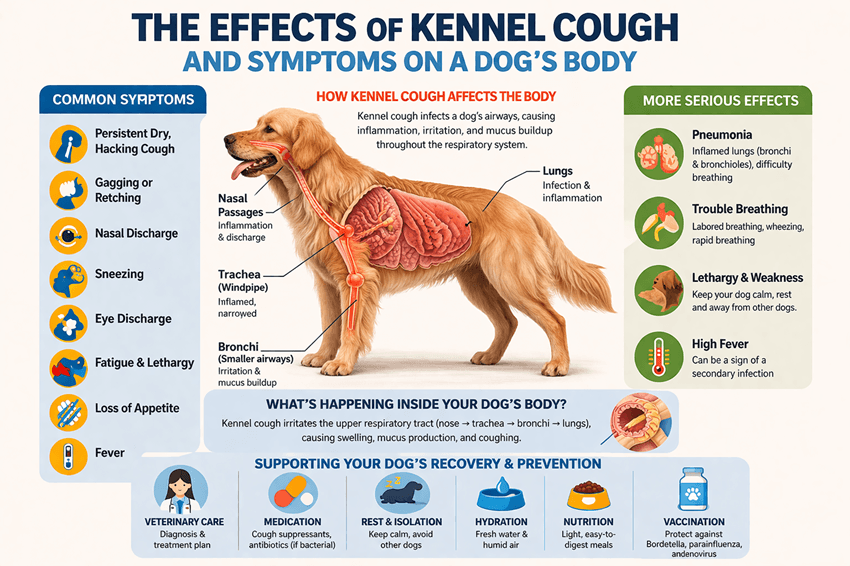
Kennel cough in dogs is a common respiratory infection that affects the airways and can range from mild to more serious, especially in vulnerable dogs. Early signs are often noticeable—such as a persistent dry, hacking cough—but may be mistaken for minor throat irritation.
Top Ways to Prevent Kennel Cough in Dogs
Because kennel cough is highly contagious, prevention plays a key role in protecting your dog. With proper vaccination, good hygiene, and minimizing exposure in high-risk environments, you can significantly reduce the chances of infection and keep your dog healthy and safe.
How Kennel Cough Is Diagnosed in Dogs
Diagnosing kennel cough typically involves a veterinary evaluation to confirm the infection and rule out more serious respiratory conditions. Key steps include:
Physical Examination: A vet listens to your dog’s lungs and may gently press the throat to trigger the characteristic cough.
Imaging: Chest X-rays may be recommended if pneumonia or complications are suspected.
Laboratory Tests: In more severe or unclear cases, swabs or blood tests may be used to identify specific bacteria or viruses.
Medical History: Recent exposure to other dogs (boarding, daycare, parks) helps support the diagnosis.
Early diagnosis is important to prevent the infection from worsening and to ensure your dog receives appropriate care and recovers quickly.
Treatment & Care
According to current veterinary guidance, treatment for kennel cough in dogs focuses on relieving symptoms and supporting recovery. Most mild cases improve with rest, while more severe cases may require medications such as cough suppressants, antibiotics (if bacterial infection is suspected), or anti-inflammatories.
Emotional & Lifestyle Impact
Kennel cough can affect more than just a dog’s respiratory system, it can temporarily change their daily behavior and energy levels. Dogs with kennel cough may become less active, tired, or reluctant to play due to frequent coughing and discomfort. They may also need to be isolated from other dogs to prevent spreading the infection, which can limit social interaction.
For owners, this period can be stressful, especially when managing persistent coughing and keeping an energetic dog calm and rested. Daily routines may need to shift toward shorter walks, limited activity, and quiet rest time. With proper care, patience, and a calm environment, most dogs recover fully and return to their normal, happy selves.
Other Health Issues Related to Kennel Cough in Dogs
While many cases are mild, kennel cough can lead to additional complications or be confused with other respiratory conditions, especially if symptoms persist:
Pneumonia
Chronic bronchitis
Tracheal collapse
Secondary bacterial infections
Weakened immune response
Loss of appetite
Lethargy and fatigue
Fever
Dehydration
Nasal discharge and sinus infections
Difficulty breathing (in severe cases)
If symptoms worsen or don’t improve within a couple of weeks, veterinary care is essential to rule out more serious conditions.
The Bottom Line
Kennel cough is a common and highly contagious respiratory infection in dogs, but in most cases, it’s mild and manageable. With early recognition, proper care, and temporary isolation, most dogs recover fully without complications. By ensuring rest, following your veterinarian’s guidance, and keeping up with vaccinations, you can help your dog heal quickly and reduce the risk of future infections. The goal is not just a fast recovery, but keeping your dog healthy, comfortable, and protected in the long run.
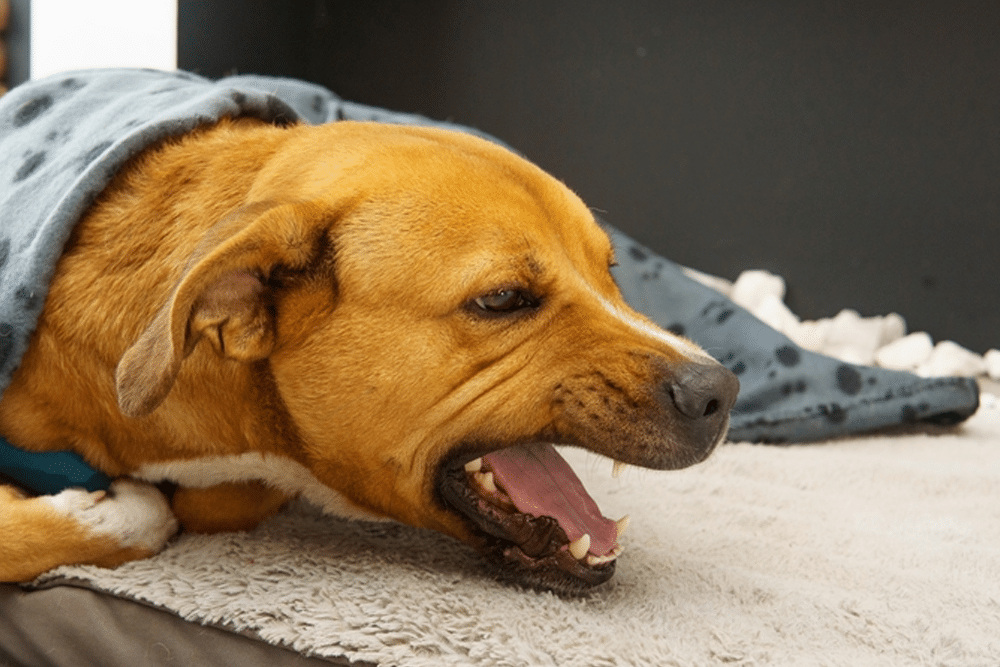
Kennel Cough in Dogs
-
Yes, most cases of kennel cough resolve on their own with proper care, rest, and supportive treatment. Mild infections typically clear within 1–3 weeks, though a cough may linger slightly longer.
-
Most dogs recover within 1 to 3 weeks. However, recovery may take longer in puppies, senior dogs, or those with weakened immune systems.
-
In most cases, kennel cough is mild. However, it can become serious if it leads to complications like pneumonia, especially in vulnerable dogs. If symptoms worsen or include fever, lethargy, or difficulty breathing, veterinary care is essential.
-
Light activity like short, calm walks is usually fine if your dog feels up to it, but avoid strenuous exercise. It’s also important to keep your dog away from other dogs during recovery to prevent spreading the infection.
-
Yes, kennel cough is highly contagious and spreads easily through close contact, shared spaces, and airborne droplets. Isolating your dog and avoiding dog parks, kennels, and daycare is essential until they fully recover.