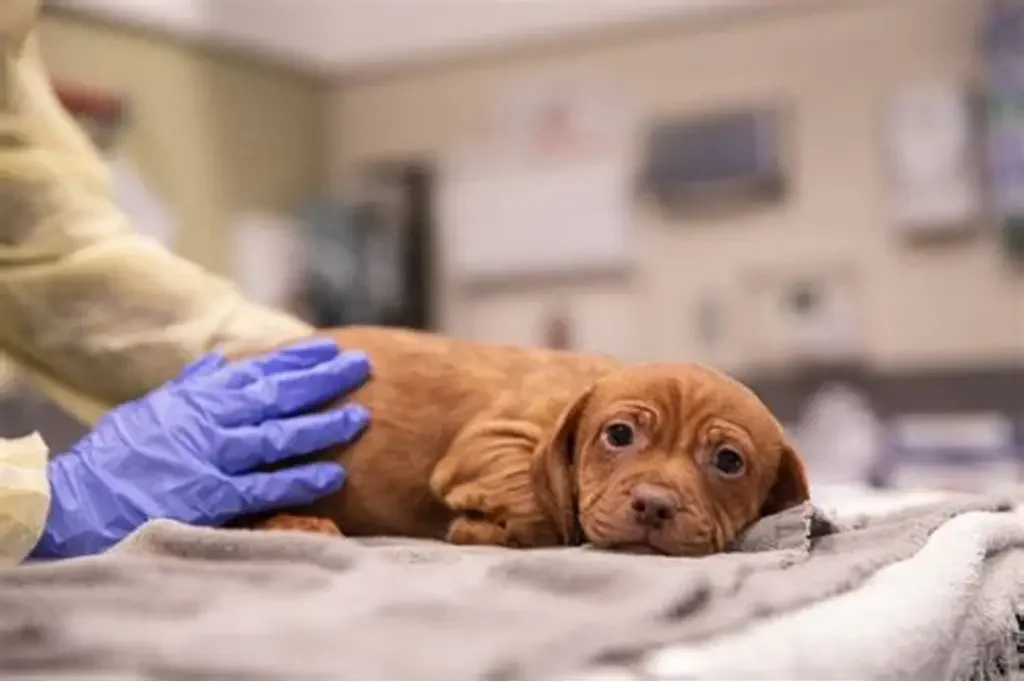
Canine parvovirus infection (commonly called "parvo") is a highly contagious disease caused by canine parvovirus type 2 (CPV-2). There are several strains of CPV-2, and all cause similar signs of illness.
The virus attacks white blood cells and the gastrointestinal tract of dogs and other canids like coyotes, wolves, and foxes. In puppies, the virus also can damage the heart muscle.
All dogs are susceptible to canine parvovirus, and some are at greater risk than others. These include puppies between 6 and 20 weeks old, unvaccinated or incompletely vaccinated dogs, and certain breeds, such as these:
Rottweilers
Doberman Pinschers
Bull terrier breeds
German Shepherds
English Springer Spaniels
What are the signs of canine parvovirus?
The signs of parvovirus infection vary from dog to dog, depending on the severity of their infection. These are some important signs to watch out for:
Lethargy
Loss of appetite
Vomiting
Severe, often bloody, diarrhea
Abdominal pain and bloating
Fever or low body temperature (hypothermia)
Drooling (due to nausea)
If your dog shows any of these signs, immediately contact your veterinarian. Persistent vomiting and diarrhea can quickly cause severe dehydration, and damage to the intestinal lining and immune system can lead to other health issues, some of which can be life-threatening.
How is canine parvovirus spread?
Canine parvovirus is easily spread by direct contact with infected dogs, contact with their feces (poop), or contact with virus-contaminated surfaces like kennels, food and water bowls, collars and leashes, grass, and the hands and clothing of people who handle infected dogs. Contact between domestic dogs, feral dogs, and wild canids also may play a role in spreading the disease.
The virus is resistant to heat, cold, humidity, and drying, and can survive in the environment for long periods. Even trace amounts of feces from an infected dog can contain the virus and infect other dogs. This makes proper disinfection critical.
Because canine parvovirus is highly contagious, dogs suspected or confirmed to be infected need to be isolated from other dogs to minimize spread of infection. Other strict infection control protocols also must be followed, including thorough cleaning and disinfection of any areas where the dog has been with products capable of killing the virus. If your dog has parvovirus infection, your veterinarian can recommend things you can do to help prevent the virus from spreading at home and elsewhere.
How is canine parvovirus diagnosed and treated?
Your veterinarian may suspect parvovirus infection based on the signs your dog is showing, the animal’s history, and other factors. Fecal testing can confirm the diagnosis.
Dogs with severe infection need immediate, intensive treatment and 24/7 monitoring—which often involves several days of hospitalization. Supportive care is provided to correct the dehydration and physiological imbalances caused by vomiting and diarrhea, control nausea and pain, keep the dog warm, prevent other infections from happening, and provide nutritional support. Additional treatment may be recommended to help fight the infection and/or control vomiting or diarrhea. This can all be very expensive, but prompt, intensive treatment improves your dog’s chance of survival.
How can I protect my dog against canine parvovirus?
Vaccination and other preventive measures, including good hygiene, are key to avoiding canine parvovirus infection.
The parvovirus vaccine is included in a combination vaccine (sometimes abbreviated DAPP, DA2PP, or similarly) that also protects dogs against some other common canine viruses. This is a "core" vaccine, recommended for all dogs.
Young puppies are especially vulnerable to canine parvovirus. A mother dog who has been vaccinated may have antibodies against parvovirus, and may pass those antibodies to her newborn puppies through her milk, but this natural immunity can wear off before a puppy's own immune system is mature enough to fight off infection. If a puppy is exposed to the virus during this window of reduced protection, the dog may become ill. In addition, the immunity provided by a mother's milk may interfere with a puppy's response to vaccination. As a result, even vaccinated puppies can occasionally become infected and develop illness.
To reduce gaps in immunity and provide the best protection against canine parvovirus during the first few months of life, your veterinarian will recommend a series of vaccinations, starting at 6-8 weeks of age. For most puppies, the final vaccination in the series is given at 16 weeks of age or older. Your veterinarian may adjust this schedule based on your pet's individual circumstances and needs.
To maintain protection, a booster dose of the combination vaccine is recommended within one year after the last dose in the initial vaccination series. Afterward, boosters generally are recommended every three years.
If your adult dog hasn't been vaccinated yet, or is overdue or missing some vaccinations, it's not too late. Ask your veterinarian about a recommended vaccination program based on your pet's age and needs.
These additional measures also can help protect your dog and other animals from canine parvovirus and other infections:
Until the initial vaccination series is complete, use caution when bringing puppies to places where dogs gather. This includes pet shops, parks, puppy and obedience classes, doggy day cares, kennels, and groomers.
Choose establishments and training programs that require up-to-date vaccinations, health exams, good hygiene, and isolation of sick puppies and dogs.
Keep your dog away from other dogs when sick, including other dogs within your home.
Avoid contact with known infected dogs and their premises.
Keep your dog away from other dogs’ feces.
Routinely collect and properly dispose of your dog’s feces.
If you’ve been in contact with dogs with parvovirus infection or parvovirus exposure, wash your hands and change your clothes before handling other dogs.
Canine Parvovirus