
Feline Panleukopenia (Parvovirus) in Cats
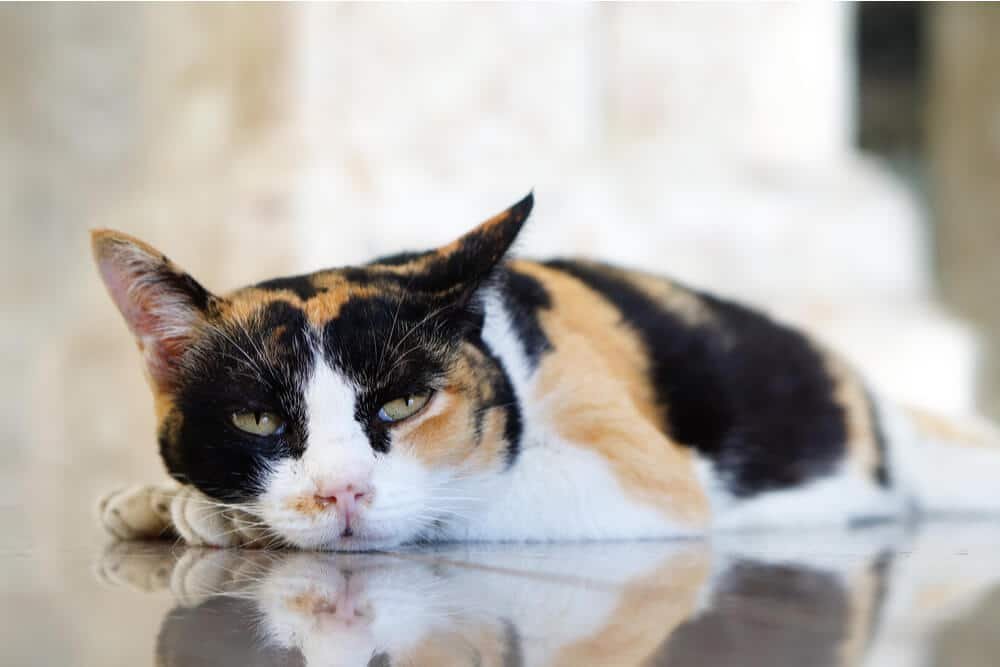
Feline panleukopenia is a highly contagious and serious viral disease that affects cats, particularly kittens. It attacks rapidly dividing cells in the body—especially in the intestines and bone marrow—leading to severe illness. While it can be life-threatening, it is also highly preventable through vaccination.
What is Panleukopenia?
Panleukopenia is caused by the feline parvovirus. The name literally means “a decrease in white blood cells,” which is one of the hallmark effects of the disease. Because it weakens the immune system and damages the intestinal lining, infected cats are at high risk of severe dehydration and secondary infections.
How is it Transmitted?
Panleukopenia spreads very easily and can survive in the environment for a long time.
Common transmission routes include:
Direct contact with an infected cat
Contact with contaminated feces, urine, or bodily fluids
Contaminated objects (food bowls, litter boxes, bedding)
Human hands, clothing, or shoes carrying the virus
The virus is extremely hardy and can live in the environment for months to over a year if not properly disinfected.
Risk Factors
Cats at highest risk include:
Kittens (especially under 5 months old)
Unvaccinated cats
Cats in shelters, rescues, or high-density environments
Cats exposed to contaminated environments
Clinical Signs
Symptoms often appear suddenly and can progress quickly:
Severe lethargy
Loss of appetite
Vomiting
Diarrhea (sometimes bloody)
Fever or low body temperature
Dehydration
Abdominal pain
Sudden death in severe cases (especially in kittens)
Because the immune system is compromised, secondary infections are common.
Diagnosis
Panleukopenia is typically diagnosed through:
Clinical signs and history
Bloodwork (showing low white blood cell count)
Fecal testing (similar to parvo tests used in dogs)
Early diagnosis is critical for improving survival chances.
Treatment & Management
There is no cure for the virus itself, so treatment focuses on aggressive supportive care:
IV fluids to combat dehydration
Medications to control vomiting and diarrhea
Antibiotics to prevent secondary infections
Nutritional support
Intensive veterinary care (often hospitalization)
Survival depends on early intervention, the severity of illness, and the cat’s age and overall health.
Prevention
Prevention is extremely effective and essential:
Vaccination is the best protection
Keep kittens on a proper vaccine schedule
Isolate sick cats immediately
Thoroughly disinfect contaminated areas (bleach is commonly used)
Avoid exposure to unknown or unvaccinated cats
Human Health Concerns
Feline panleukopenia does not infect humans. It is specific to cats.
However, people can carry the virus on their hands, clothing, or shoes, which is why proper hygiene is important—especially when handling multiple cats or moving between homes or shelters.
Important Note for Multi-Cat Homes & Rescues
Because of how contagious and durable this virus is, strict isolation protocols and proper cleaning are critical in shelters, rescues, and foster homes. Quick action can prevent widespread outbreaks.
Panleukopenia is a frightening disease, but it’s also one of the most preventable. Vaccination, cleanliness, and early intervention can save lives.